Introduction
When it comes to saving lives, couple of skills are as crucial as Cardiopulmonary Resuscitation (CPR). Whether you're a spectator or a trained doctor, knowing exactly how to effectively perform CPR can suggest the distinction in between life and death. One aspect that commonly creates debate among medical professionals and laymans alike is the slow compression rate throughout mouth-to-mouth resuscitation. This article digs deep into the nuances of CPR, discovering how a sluggish compression rate can be balanced with efficient lifesaving techniques.
In this thorough guide, we'll cover everything from basic vs innovative life support to the protocols involved in public defibrillator usage. We'll also explore subjects such as checking responsiveness, identifying no breathing, and preserving composure during an emergency situation. By the end of this write-up, you'll have a robust understanding of CPR and its various aspects, making you far better prepared to act when it counts.
Slow Compression Rate: Finding the Right Balance in CPR
Understanding the proper compression rate is necessary for effective mouth-to-mouth resuscitation. The American Heart Organization (AHA) recommends a compression rate of 100-120 compressions per minute for adults and youngsters. Nonetheless, some experts say that in specific situations-- specifically when adrenaline is high-- a slower compression price might Southport First Aid Courses actually improve blood circulation.
Understanding Compression Rates
Compression rates refer to exactly how promptly chest compressions are provided throughout mouth-to-mouth resuscitation. The best balance is important; also quickly can cause ineffective blood circulation, while too slow could not create sufficient pressure to maintain vital organs.
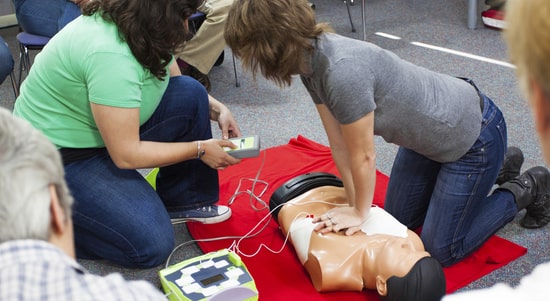
Why Slow Compression Rates?
While most guidelines support for quick compressions, there are scenarios where a slower technique may be required:
Fatigue: When rescuers wear down quickly. Precision Over Speed: Making certain each compression is effective could necessitate reducing down. Rescuer Coordination: Taking turns on compressions frequently calls for adjustments that could result in recurring slow-moving rates.
Basic vs Advanced Life Support
The difference in between basic and sophisticated life assistance can substantially impact your technique to executing mouth-to-mouth resuscitation.
Basic Life Assistance (BLS)
BLS includes important strategies like upper body compressions and rescue breaths focused on maintaining life till professional aid shows up:
- Checking responsiveness Identifying no breathing Maintaining composure during emergencies
Advanced Life Assistance (ALS)
ALS consists of extra innovative clinical treatments supplied by trained healthcare professionals:
- Use of medications Advanced airway management Monitoring important signs
Understanding these differences will assist you understand when and how to Southport First Aid Course Near Me apply numerous methods effectively.
Checking Responsiveness: The Very First Step
Before delving into CPR, checking responsiveness is crucial for examining whether a private needs prompt help. A straightforward method is:
Gently tap the individual's shoulder and yell loudly. Look for any indicators of movement or spoken response.If they do not react, proceed with examining their breathing.
Identifying No Breathing: A Secret Indicator
Identifying no breathing or irregular breathing patterns is important for establishing whether CPR is required:
Look for upper body rise. Listen for breath sounds. Feel for breath on your cheek.If there's no typical breathing after 10 seconds, start chest compressions immediately.
Public Defibrillator Use: A Necessary Tool
Public Gain access to Defibrillators (PADs) save lives by restoring heart rhythm throughout heart attack situations:
- Familiarize yourself with their area in public spaces. Follow voice triggers provided by AEDs; they are created to direct you through each step.
Using an AED along with sluggish compression prices can considerably raise survival chances.

BLS Accreditation: Equipping You with Knowledge
Obtaining BLS accreditation furnishes people with necessary lifesaving abilities:
Learn correct techniques for adult, kid, and infant resuscitation. Understand healthcare facility codes and methods connected to heart attack situations.Having this expertise can impart confidence when faced with real-life emergencies.
Taking Turns on Compressions: Avoiding Fatigue
When doing mouth-to-mouth resuscitation alone can bring about fatigue very promptly; thus taking turns with another rescuer comes to be essential:
- Switch every two minutes or when fatigued. Ensure seamless transitions without stopping briefly compressions.
This method aids maintain appropriate blood flow throughout the duration of the emergency situation situation.
Lower Compression Deepness: When Is It Acceptable?
Typically, the advised depth for grown-up compressions has to do with 2 inches (5 centimeters). Nonetheless, particular circumstances may necessitate reduced midsts:
Very little grownups or teenagers may require adjustments based upon body type. Situations including pregnant ladies might additionally require customized methods for security reasons.Always focus on reliable compressions over adhering strictly to depth metrics if circumstances warrant it.
Maintaining Calmness Under Demanding Circumstances
Composure throughout emergencies can not be overstated:
- Take deep breaths prior to responding. Focus on your training instead of panicking.
Keeping calm allows you to assume clearly and implement strategies better throughout high-pressure situations like heart attack events.
FAQs
What should I do if I see a person collapse?
Immediately check responsiveness by calling their name or touching their shoulder carefully; if unresponsive and not breathing generally within 10 seconds, call emergency solutions and begin CPR immediately.
How do I know if my compressions are effective?
Look for noticeable indicators of circulation; if their upper body rises visibly after each compression or you really feel a pulse return quickly after beginning mouth-to-mouth resuscitation-- these are excellent indicators!
Are there any age-specific considerations in CPR?
Yes! Adjustments ought to be made based on age groups; babies need mild faucets while kids require lighter pressure contrasted to adults that gain from deeper compressions as much as 2 inches in depth.
What occurs if I make blunders while performing CPR?
Even imperfect efforts at CPR are much better than not doing anything in all! Comply with the standard steps diligently-- emergency responders will certainly take over as soon as they arrive yet your treatment could save a life!
How does making use of an AED suit my mouth-to-mouth resuscitation efforts?
An Automated External Defibrillator ought to be utilized as soon as it's readily available-- follow its prompts meticulously while proceeding upper body compressions till triggered otherwise by the gadget itself!
Why ought to I seek BLS certification?
BLS qualification supplies important abilities that equip individuals not only properly yet personally-- it prepares you both emotionally and literally for emergencies so you can act decisively!
Conclusion
Finding the best equilibrium in between rate and effectiveness in providing CPR truly impacts outcomes in emergency situations involving heart attack targets. From comprehending basic vs advanced life assistance concepts through examining responsiveness all while mastering public defibrillator usage-- it's clear that education plays a considerable duty in equipping people with lifesaving skills required today especially prior to! Taking these facets right into account together with identifying when slower compression rates may show beneficial ensures that every person-- from laymans to healthcare professionals-- can with confidence engage in acts of heroism regardless of circumstance!
By welcoming knowledge around these principles-- and acquiring certifications-- we're all capable contributors in the direction of constructing safer neighborhoods equipped against unforeseen emergency situations waiting just around our edges! So gear up people-- the following time a person needs aid-- you'll know specifically what steps need to be taken!